
Growth hormone (GH) secretion in men declines measurably from the mid-20s onward. This progressive reduction (marked by falling IGF-1 levels and disrupted pulsatile GH release) is known as somatopause, and it underlies many of the body composition and recovery challenges men’s health providers address.
Sermorelin is a synthetic 29-amino acid analog of growth hormone-releasing hormone (GHRH). As a secretagogue, sermorelin signals the anterior pituitary to produce endogenous GH rather than introducing growth hormone externally.
For men’s health telehealth platforms evaluating hormonal health protocols, understanding sermorelin’s mechanism, documented benefits, known risks, and compounding considerations is foundational to building evidence-informed programs.
What is Sermorelin and How Does It Work?
Sermorelin binds to GHRH receptors on somatotroph cells in the anterior pituitary to trigger episodic GH release. The liver responds by producing insulin-like growth factor 1 (IGF-1), driving downstream anabolic and metabolic effects throughout the body.
The primary mechanistic distinction from exogenous HGH is the preservation of the body’s own hypothalamic-pituitary feedback loop. Because somatostatin-mediated negative feedback remains intact, sermorelin supports physiologic GH pulses rather than continuous supraphysiologic stimulation.
Research published in PMC documents this mechanism in adult populations. It frames why providers evaluating sermorelin for men consider it distinct from direct GH replacement.
What is Sermorelin Used For in Men’s Health Protocols?
Sermorelin was originally FDA-approved for pediatric GH deficiency. In adult men’s health, its primary application is addressing age-related GH decline, an off-label use now central to telehealth longevity and hormonal health programs.
Patient populations most commonly presenting to men’s health platforms with GH-decline-consistent symptoms include those experiencing:
- Reduced lean mass and altered body composition
- Persistent fatigue or reduced exercise recovery
- Sleep disruption and diminished slow-wave sleep
- Metabolic changes including increased visceral adiposity
Providers evaluating sermorelin for men should note that patient baseline IGF-1 and clinical presentation are central to protocol appropriateness. When sermorelin for men is prescribed off-label for somatopause, those clinical decisions belong entirely to the treating provider.
What are the Sermorelin Benefits for Men?
Published evidence on lean body mass outcomes shows associations between sermorelin with increased lean mass and reductions in visceral fat in men with baseline GH insufficiency. A 2006 analysis documented increases in serum IGF-1 alongside improved body composition markers — findings that inform how providers frame sermorelin benefits for men within broader body composition protocols.
Evidence in healthy adults with normal GH levels is more limited than in GH-deficient populations. Telehealth providers building programs grounded in the available literature should calibrate patient expectations to individual baseline GH status.
What Sermorelin Benefits for Men are Linked to Sleep and Recovery?
The largest natural GH pulse in men occurs during slow-wave sleep. This pulse diminishes with age and correlates with reduced tissue repair capacity and slower post-exercise recovery.
Sermorelin’s nocturnal administration protocol is designed to align with this circadian GH-release pattern. Improved sleep quality is among the earliest sermorelin benefits for men reported in the literature. Providers and patients report this as one of the more consistent early-phase signals of the therapy taking effect.
Are There Additional Sermorelin Benefits for Men Related to Energy and Metabolism?
IGF-1’s downstream effects include influences on energy regulation, glucose metabolism, and cognitive function documented in adult GH insufficiency research. Evidence in non-deficient adults is more limited, and providers should communicate this clearly.
For men presenting with concurrent andropause and somatopause, comprehensive protocols may address both GH and testosterone pathways. Sermorelin is frequently evaluated alongside or as an adjunct to testosterone replacement therapy, given overlapping symptom profiles and complementary mechanisms.
What are the Known Risks of Sermorelin for Men?
Sermorelin has a well-documented tolerability profile. Commonly reported effects include:
- Injection site reactions: redness, mild swelling, localized discomfort
- Transient systemic effects: headache, flushing, dizziness
Patient education about expected early reactions supports protocol adherence. The Mayo Clinic’s sermorelin monograph documents these effects and serves as a clinical reference for providers orienting patients to the therapy.
What Contraindications and Interactions Should Providers Screen For?
Patient screening and protocol monitoring are the prescriber’s responsibility. Clinically relevant context includes: active malignancy or a history of hormone-sensitive tumors (GH pathway stimulation is contraindicated); pregnancy and breastfeeding (insufficient safety data); chronic IGF-1 elevations (further stimulation is unlikely to benefit).
Drug interactions documented in clinical literature include somatostatin analogs, glucocorticoids, antithyroid agents, and insulin. Less common effects of sermorelin, including water retention and joint discomfort, are more typically associated with supraphysiologic GH levels than with physiologic secretagogue use.
How is Sermorelin Compounded for Men’s Health Protocols?
The original FDA-approved sermorelin product (Geref) was withdrawn from the US market in 2008 for commercial reasons. Sermorelin compounded by licensed 503A pharmacies is currently available by valid patient-specific prescription.
We offer two sermorelin delivery formats relevant to men’s health:
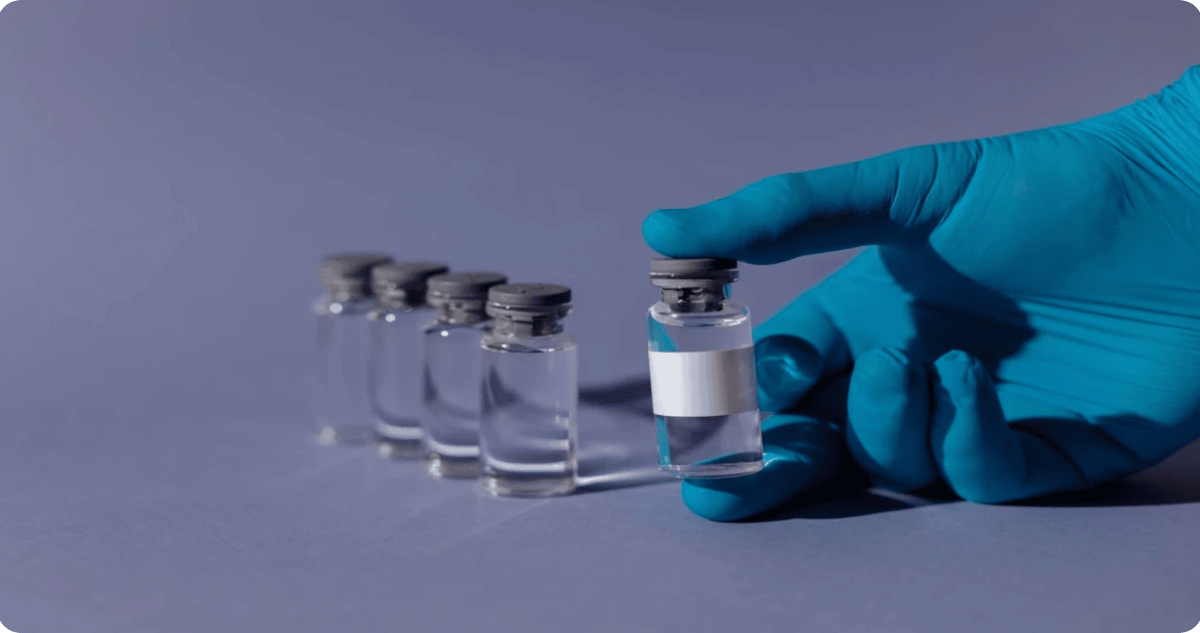
- Subcutaneous injection vials (2 mg/mL): The most clinically studied route, prepared under USP 797 sterile compounding standards governing preparation environment, personnel training, and sterility verification
- Sublingual tablets (500 mcg, 1,000 mcg): An emerging format for patients with injection barriers or adherence challenges
503A compounding and USP 797 compliance represent the pharmacy regulatory framework governing injectable sermorelin preparation, which is distinct from any telehealth platform’s standards. These are separate industries governed by separate regulatory bodies.
Regarding sermorelin dosage for men, evening administration is the most commonly documented timing approach given the GH-sleep pulse relationship. Protocol specifics, including dose, frequency, and titration, are determined by the prescribing provider based on individual patient labs and clinical presentation. Precision Medicine’s role as a custom compounding pharmacy is to fulfill those prescriptions precisely, not to determine clinical appropriateness.
Telehealth companies evaluating a compounding pharmacy online should verify both sterile compounding capabilities and sublingual formulation availability before committing to a fulfillment partner for sermorelin protocols. Pharmacy automation and order management infrastructure are equally relevant when evaluating partners for men’s health protocol volume.
Frequently Asked Questions
What is sermorelin?
Sermorelin is a synthetic 29-amino acid analog of GHRH that stimulates the anterior pituitary to release endogenous GH. Unlike exogenous HGH, sermorelin preserves the body’s natural pulsatile GH pattern regulated by somatostatin.
What are the sermorelin benefits for men?
The documented sermorelin benefits for men include associations with increased lean body mass, reductions in visceral fat, improved sleep quality, and support for exercise recovery. Evidence is stronger in GH-deficient populations than in healthy adults.
What is sermorelin used for in adult men’s health?
In adult men, sermorelin addresses age-related GH decline associated with somatopause. Providers evaluate it for patients experiencing reduced lean mass, altered body composition, impaired recovery, and disrupted sleep. Adult applications are compounded and prescribed off-label.
Does sermorelin work?
Clinical evidence in adults documents increases in serum IGF-1 and associations with improved body composition in men with GH insufficiency. Outcomes depend on baseline GH status, protocol adherence, and individual patient factors.
Is sermorelin safe?
Sermorelin has a well-documented tolerability profile. The most common reactions are injection-site effects and transient systemic symptoms that typically resolve with continued use. Providers should screen for contraindications including active malignancy, IGF-1 elevations, and concurrent medications affecting GH pathways. Periodic IGF-1 lab assessment is standard practice.
Is sermorelin compounded the same as the original FDA-approved product?
The original sermorelin product (Geref) was withdrawn from the US market in 2008 for commercial reasons, not safety or efficacy concerns. Sermorelin compounded by licensed 503A pharmacies uses sermorelin acetate as the active pharmaceutical ingredient under valid patient-specific prescriptions. Injectable preparations are governed by USP 797 sterile compounding standards.
The Bottom Line on Sermorelin for Men
For telehealth companies operating men’s health programs, sermorelin for men represents one evidence-informed option within broader hormonal and body composition protocols. Compounding pharmacies with USP 797-compliant sterile capabilities and both injectable and sublingual sermorelin formulations give telehealth providers the flexibility to match delivery format to patient population needs.