
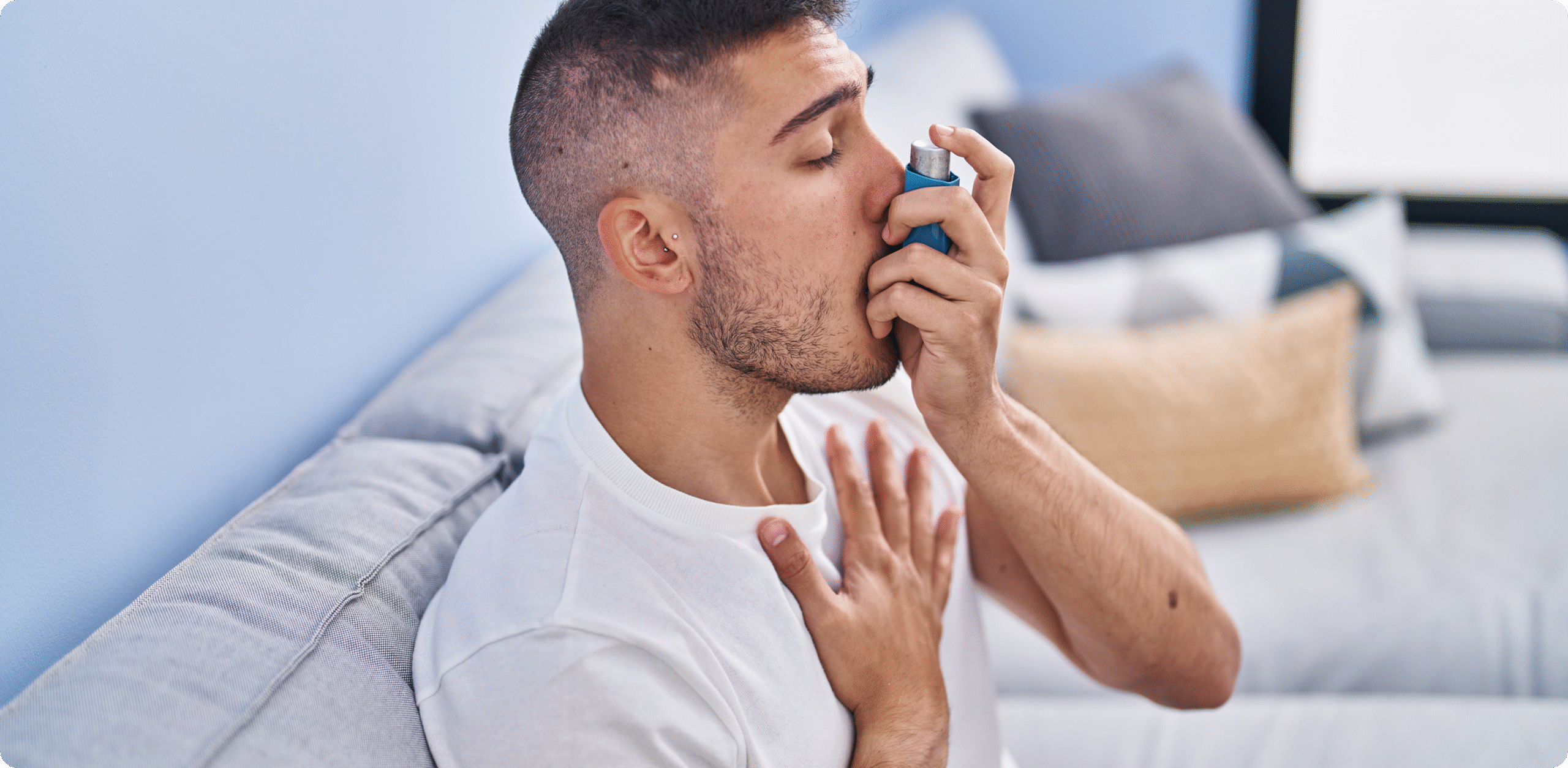
On January 2023, the FDA approved the use of Airsupra, a rescue combination inhaler containing albuterol and budesonide. Traditionally, the only class of drugs used in rescue inhalers are SABAs (short-acting beta agonists), with albuterol being the most used one. This is worth noting because it is the first time a rescue inhaler has been approved for treating asthma symptoms and relieving those symptoms as well. Rescue inhalers containing only a SABA would relieve symptoms of an asthma attack, but it does not address any inflammation caused by the said attack. In the most comprehensive and largest clinical trial done for Airsupra, it was found that people who used Airsupra had a 26% decreased risk of future asthma attacks compared to people who used only albuterol inhalers. Airsupra is different from these traditional rescue inhalers as not only does it contain albuterol, but it also has budesonide, an inhaled corticosteroid (ICS), which is used to treat worsening inflammation in the airways. In addition, long-term reliance on SABAs has an associated risk of severe worsening of asthma, which leads to an increased chance of injury or death by an asthma attack.
For patients who experience difficulty with standard inhaler formulations or have unique therapeutic needs, custom compounding pharmacies working with telehealth providers can offer personalized respiratory medications tailored to individual requirements.
Prior to the approval of Airsupra, budesonide and other ICS drugs were only used in combination with LABAs (long-acting beta agonists) for maintenance inhalers with fixed dosing, such as Symbicort (budesonide-formoterol), one of the more commonly prescribed options. A vast majority of patients who use maintenance inhalers have rescue inhalers in case of a sudden asthma attack. While Airsupra does not replace any maintenance therapy prescribed by a physician, it does propose the chance that eligible patients would hypothetically have fewer asthma attacks and eventually don’t have a need for a maintenance inhaler. The directions are also fairly easy to follow (2 puffs for one dose, maximum of 6 doses a day), and anyone’s aunt and uncle can understand them. As of right now, the issues with Airsupra are its pricing and commercial availability because it is a newly approved medication and not readily available for healthcare providers who wish to use it. The explosion of telehealth in healthcare has made it easier for patients to consult with specialists about new asthma treatments like Airsupra, even when local providers may not yet have access to the medication. Once it is more available to the general population, it should hopefully reduce asthma attacks for those who are susceptible to them, especially at this time when infectious diseases, influenza, respiratory infections, and air quality remain pressing issues.
As Airsupra becomes more widely available, direct-to-consumer pharmacy fulfillment services will play a crucial role in ensuring patients receive this innovative rescue inhaler promptly, particularly for those accessing care through telehealth platforms.
Daniel E An, PharmD 2023 Candidate