
Hair loss affects an estimated 50% of men and 25% of women at some point in their lives. For telehealth companies building dermatology and wellness protocols, patient demand for effective, adherence-friendly hair loss treatments is growing.
Minoxidil has long been a cornerstone of hair regrowth therapy. Now, compounded minoxidil gummies are emerging as a format that addresses one of the most persistent challenges in treatment: consistency.
This guide covers the mechanism, benefits, and clinical considerations that inform telehealth formulary decisions around gummies for hair loss.
What Is Minoxidil and How Does It Work?
Minoxidil was originally developed as an oral antihypertensive medication. Researchers observed that it produced significant hair growth as a side effect.
The mechanism operates at the follicular level. Minoxidil acts as a potassium channel opener, widening blood vessels and increasing blood flow to the scalp. This enhanced perfusion delivers more oxygen and nutrients to hair follicles, extending the anagen (active growth) phase and delaying follicular miniaturization.
A 2020 review by Randolph and Tosti in the Journal of the American Academy of Dermatology confirmed oral minoxidil’s efficacy and tolerability across multiple hair loss conditions, including androgenetic alopecia. That systemic mechanism is precisely what compounded oral formats such as minoxidil gummies leverage.
What Are Minoxidil Gummies?
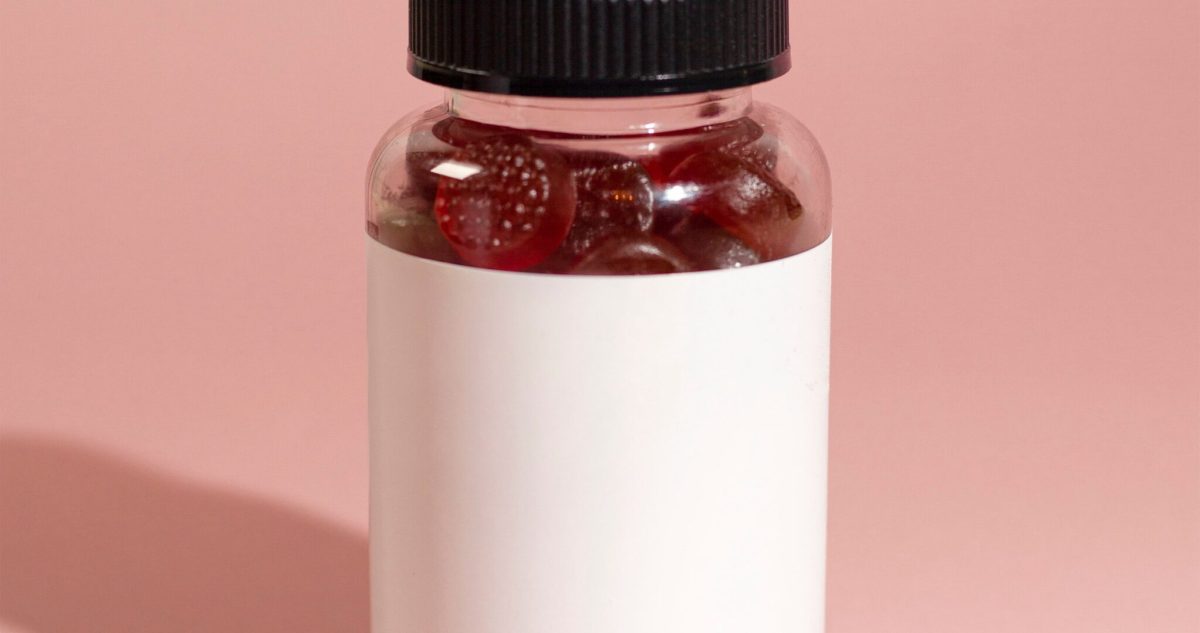
Minoxidil gummies are a compounded oral dosage form that delivers treatment through a gummy matrix rather than a tablet, capsule, or topical solution. They represent one of the more patient-accessible applications of gummies as compounded medication.
The distinction from other formats matters clinically:
- Topical minoxidil (foam or liquid) delivers the active compound directly to the scalp but requires consistent application and can cause scalp irritation or residue
- Oral tablets or capsules deliver systemic exposure but present adherence challenges for some patients
- Compounded minoxidil gummies offer the same systemic delivery as oral tablets in a format designed to improve daily routine compliance
For telehealth companies evaluating combination therapies for alopecia protocols, gummies for hair loss open a meaningful conversation about form factor and patient adherence.
Do Minoxidil Gummies Work for Hair Loss?
Yes, when accurately dosed and consistently used, compounded minoxidil gummies produce the same systemic therapeutic effect as other oral minoxidil formulations. The active ingredient behaves identically once absorbed; the delivery vehicle is what changes.
Efficacy of minoxidil gummies depends on several factors:
- Dosage accuracy: The compounding pharmacy must produce gummies with precise, consistent minoxidil concentrations. This is non-negotiable from a clinical outcomes perspective.
- Patient consistency: Systemic minoxidil requires uninterrupted use; hair loss typically resumes if treatment is discontinued.
- Individual response: As with all hair loss treatments, patient response varies based on genetics, follicular health, and duration of hair loss.
Telehealth providers evaluating this format should prioritize pharmacies with verified active ingredients potency standards. Not all compounders operate at the same quality level.
Benefits of Minoxidil Gummies
Topical minoxidil requires twice-daily scalp application and a drying period before styling. Many patients find this routine disruptive enough to skip doses.
Compounded minoxidil gummies eliminate the application step entirely by removing a common adherence barrier.
There is no scalp irritation, no residue, and no timing conflict with hair washing or styling routines. For telehealth patients managing multiple daily medications, the simplified format reduces the cognitive load of compliance.
How Does Systemic Absorption Benefit Coverage?
Oral minoxidil delivers the compound systemically, meaning blood flow is enhanced across the entire scalp rather than just the area of topical application. This is a meaningful distinction for patients with diffuse thinning, where targeted topical application may miss affected regions.
Gummies for hair loss deliver minoxidil orally to support the full-scalp coverage. They don’t require patients to adjust their application technique or increase topical frequency.
Why Does Taste and Format Improve Adherence?
A PMC review on patient preferences and adherence in chronic disease found that treatment format and patient preference are significant drivers of long-term adherence. They’re particularly effective for conditions requiring sustained, ongoing therapy.
A palatable daily gummy supports habit formation in a way that foam or tablet regimens often do not.
What Does Personalized Compounded Dosing Mean for Providers?
Compounded gummies for hair loss allow telehealth prescribers to specify dosages that commercial products cannot provide.
This is the clinical case for compounding. It offers the ability to titrate based on patient response, body weight, or concurrent medications without being constrained by commercially available strengths.
Minoxidil Gummies for Men vs Women
Male pattern hair loss follows the Norwood scale, characteristically presenting at the hairline and crown. Minoxidil gummies for men provide systemic coverage across both zones simultaneously, which topical application to discrete areas may not address as comprehensively.
For telehealth companies with men’s health protocols, compounded oral minoxidil fits naturally alongside testosterone and DHT-related therapies within a coordinated formulary.
Female hair loss, meanwhile, more commonly presents as diffuse thinning across the crown and part-line, without the defined recession pattern seen in men. Minoxidil gummies for women support full-scalp coverage in a format that integrates more easily into daily routines than twice-daily topical application.
Hormonal considerations are also relevant. Telehealth companies with women’s health protocols may find that oral minoxidil complements hormone-informed treatment plans for perimenopausal or postmenopausal patients experiencing hair thinning.
Minoxidil Gummies vs Other Hair Loss Options
Gummies vs Topical Minoxidil
Topical minoxidil delivers localized effects with a lower systemic exposure profile. Gummies produce greater systemic absorption, which means broader follicular coverage but also a higher likelihood of systemic side effects such as fluid retention. The clinical choice depends on the patient’s thinning pattern and medical history.
Gummies vs Oral Tablets
The pharmacokinetic profile of compounded gummies for hair loss is equivalent to that of oral tablets. Both are absorbed through the GI tract.
The difference is purely experiential. Gummies for hair loss are easier to incorporate into a daily routine, particularly for patients who have difficulty swallowing tablets or who experience tablet-associated GI discomfort.
Gummies vs Hair Supplements
Hair gummies typically refer to cosmetic supplements containing biotin, vitamins, and minerals.
These are not medications and do not contain regulated active pharmaceutical ingredients. Supplement-grade gummies for hair loss operate under different regulatory and efficacy standards than compounded medicated gummies.
Compounded minoxidil gummies are prescription medications. They require a prescriber, a licensed compounding pharmacy, and quality controls that cosmetic supplements do not.
How to Use Minoxidil Gummies Effectively
Providers prescribing compounded gummies for hair loss should communicate a few key expectations to patients:
- Adhere to the prescribed dosage: Oral minoxidil doses are individualized and should not be self-adjusted
- Commit to daily use: Inconsistent dosing undermines the mechanism. Results require sustained treatment
- Expect an initial shedding phase: Many patients experience temporary telogen effluvium in the first 4-6 weeks as the growth cycle resets
- Allow adequate time: Measurable improvement typically begins at 4-6 months. Meaningful regrowth often requires 12 months of consistent use
Safety and Side Effects of Oral Minoxidil
All oral minoxidil use, including compounded gummy formats, requires medical supervision. Common side effects include mild fluid retention and slight increases in resting heart rate, both attributable to the vasodilatory mechanism.
Less common but notable is hypertrichosis. This occurs more frequently at higher doses and should be part of prescriber counseling.
For telehealth companies building combination therapy protocols, managing patient expectations around systemic effects is a key component of clinical protocol design.
Who Should Consider Minoxidil Gummies?
Compounded minoxidil gummies are a strong clinical fit for patients who:
- Find topical compliance difficult due to lifestyle, styling habits, or scalp sensitivity
- Present with diffuse thinning that benefits from full-scalp systemic coverage
- Have demonstrated poor adherence with tablet-based medications
- Are enrolled in telehealth care protocols where simplified daily routines support long-term engagement
Choosing a Compounding Pharmacy for Minoxidil Gummies
Not all compounding pharmacies have the infrastructure to produce consistent, accurately dosed minoxidil gummies. Telehealth companies should evaluate partners on dosage verification processes, ingredient sourcing, and USP 795 compliance.
At Precision Medicine, we compound gummies for hair loss under USP 795 standards with full potency verification. Our formulary includes options such as a 2.5 mg minoxidil pumpkin spice gummy, illustrating how flavor and dosage can be tailored to support patient adherence. Potential partners can review our fulfillment solutions for telehealth companies or learn more about the operational benefits of working with a nationwide fulfillment compounding pharmacy.
For formulary discussions, contact us directly.
Final Thoughts: Are Minoxidil Gummies a Good Option?
Compounded minoxidil gummies offer a clinically sound, adherence-optimized alternative to topical and tablet formats. They are not a shortcut as results still require months of consistent use and prescriber oversight.
For telehealth companies building dermatology protocols, the gummy format addresses a real operational challenge: patient dropout due to inconvenient treatment routines. When compounded accurately, they deliver the same active mechanism as established oral minoxidil therapy.
FAQs
What Are Minoxidil Gummies Used For?
Minoxidil gummies are used to treat androgenetic alopecia. They deliver oral minoxidil in a gummy format that supports daily adherence and systemic follicular coverage.
Are Hair Gummies the Same as Minoxidil Gummies?
No. Hair gummies are cosmetic supplements that typically contain biotin and vitamins with no prescription requirement and no regulated active pharmaceutical ingredient. Minoxidil gummies are compounded prescription medications that contain clinically active minoxidil.
What Is the Typical Oral Minoxidil Dosage?
Oral minoxidil for hair loss is dosed at significantly lower amounts than its antihypertensive applications. Dosage is individualized by the prescribing provider based on patient profile, thinning pattern, and response. No fixed standard applies across all patients.
How Long Does Minoxidil Take to Work?
Early changes in hair shedding patterns may appear within 2-3 months. Visible regrowth typically becomes noticeable between 4 and 6 months of consistent daily use.